
欢迎访问南京市中山陵园管理局网站
当前位置:首页 > Foreign Languages
Introduction to Zhongshan Mountain’s
Attractions and Museums
I. Overview of Zhongshan Mountain National Park
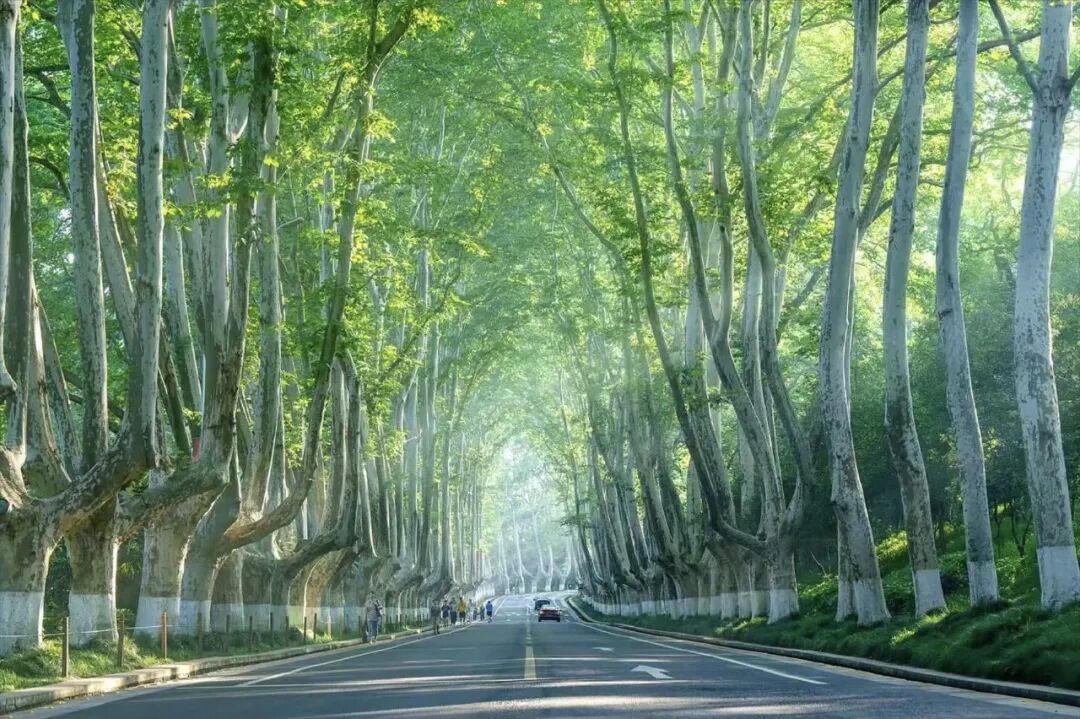
Zhongshan Mountain, also known as Purple Mountain, lies on the eastern outskirts of Nanjing. Since ancient times, it has been celebrated as one of the four great mountains of the Jiangnan region and is home to many of the city’s most important historical and cultural landmarks. Rising to 448 meters above sea level, its three interconnected peaks resemble a giant dragon. Together with the surrounding rivers and the ancient city, they create a magnificent landscape. As early as the Han Dynasty (206 BC-AD 220) and the Three Kingdoms period (220-280), Zhongshan Mountain had already gained widespread renown. Its strategic setting gave rise to the famous saying: “Zhongshan Mountain coils like a dragon, while Stone City crouches like a tiger.”
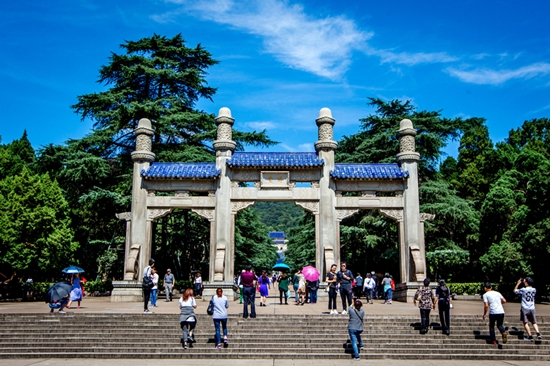
Zhongshan Mountain National Park is a nationally designated scenic area centered on the Sun Yat-sen Mausoleum Scenic Area. Covering approximately 31 square kilometers, it comprises the Sun Yat-sen Mausoleum Scenic Area, the Ming Xiaoling Mausoleum Scenic Area, the Linggu Scenic Area, and numerous other attractions. With a forest coverage rate of 76.8%, the area is home to more than 200 historical and cultural sites, including one UNESCO World Heritage Site, 16 major historical and cultural sites protected at the national level, and 30 cultural relic sites protected at the provincial and municipal levels. The Sun Yat-sen Mausoleum Scenic Area was among China’s first National 5A-graded tourist attractions. The Ming Xiaoling Mausoleum is inscribed as a UNESCO World Heritage Site, while the Sun Yat-sen Mausoleum has been includedinChina’s second tentative list of national natural and cultural heritage sites. In 2024, the “Pioneering Works of Modern Chinese Architecture” (Sun Yat-sen Mausoleum and Its Auxiliary Structures) was added to China’s Tentative List for UNESCO World Heritage nomination.
II. Major Attractions
1. Sun Yat-sen Mausoleum Scenic Area
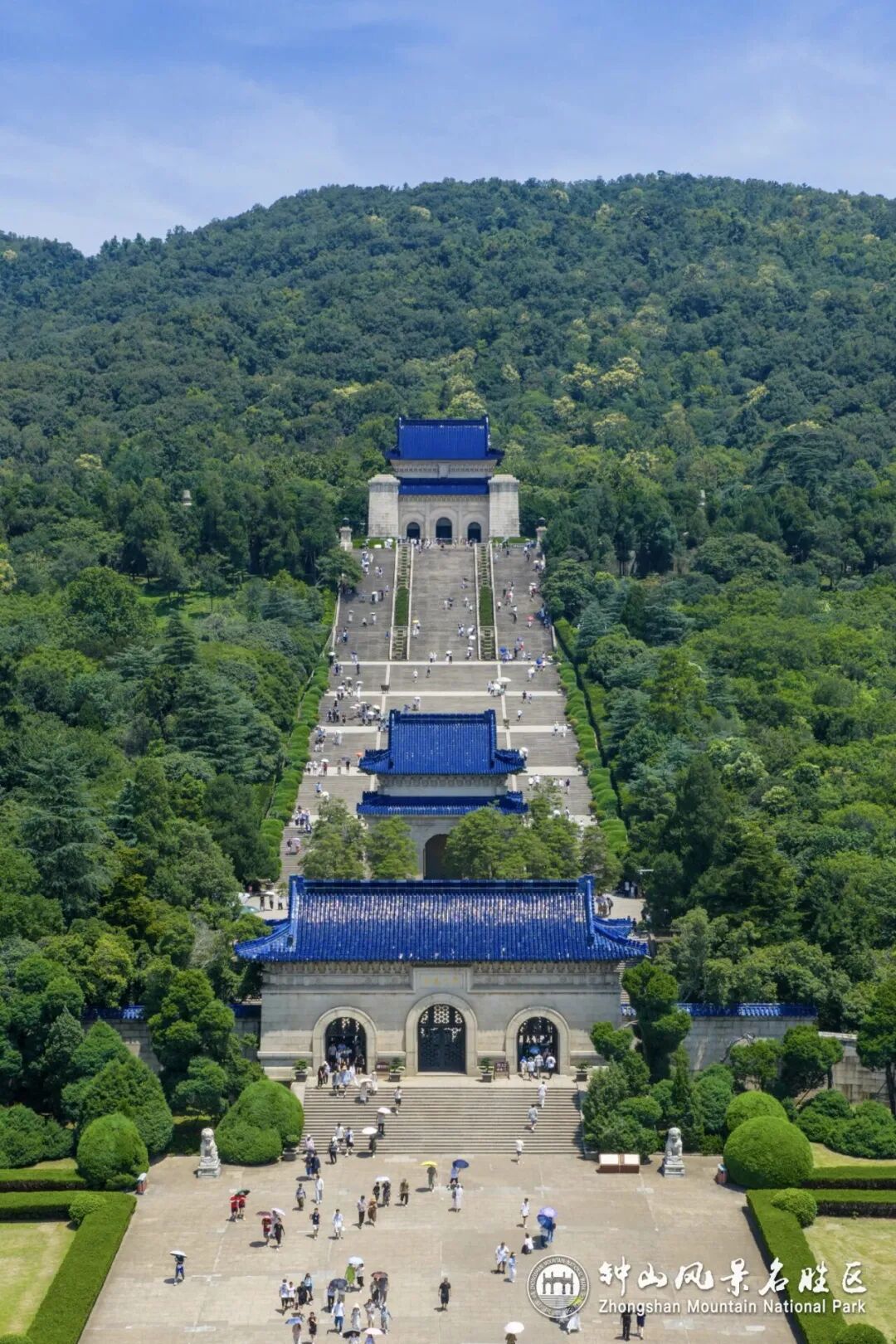
The Sun Yat-sen Mausoleum is the final resting place of Dr. Sun Yat-sen, revered as a great national hero, patriot, and pioneer of China’s democratic revolution. Construction began in 1926, and its main structures were completed in 1929. Surrounded by towering pines and cypresses, it is situated on the southern slope of Maoshan Hill on Purple Mountain, covering approximately 3,000 mu (about 200 hectares). Built against the mountainside and facing south, it overlooks broad plains to the front and is backed by verdant hills, creating a setting of remarkable grandeur and openness.
The mausoleum was designed by the distinguished Chinese architect LU Yen-Chih. Its overall plan resembles a traditional Chinese warning bell, symbolizing a perpetual call for vigilance and national awakening. Combining Chinese and Western architectural traditions, it is widely regarded as a masterpiece in the history of modern Chinese architecture. The principal structures are arranged along a central axis extending approximately 700 meters, from the Memorial Archway and Sacred Way to the Mausoleum Gate, Stele Pavilion, Sacrificial Hall, and Burial Chamber. The route rises about 70 meters in elevation and includes 392 stone steps, 10 terraces, and a sacred way more than 400 meters long. Constructed entirely of white granite and reinforced concrete and topped with blue glazed roof tiles, the mausoleum presents an imposing yet dignified appearance.
Following the completion of the mausoleum, a series of auxiliary structures—including the Open-Air Music Hall, Guanghua Pavilion, Yangzhi Pavilion, Sutra Depository, Liuhui Waterside Pavilion, Yongmu House, and Xingjian Pavilion—were built throughout the surrounding landscape. Like jewels set among the hills, these commemorative buildings enrich both the cultural significance and scenic beauty of the mausoleum grounds.
The Sun Yat-sen Mausoleum was designated a major historical and cultural site protected at the national level in 1961, named one of China’s first national patriotic education bases in 1997, designated a cross-Strait exchange base in 2011, and included among the first batch of China’s 20th-Century Architectural Heritage in 2016. In 2024, “Pioneering Works of Modern Chinese Architecture (Sun Yat-sen Mausoleum and Its Auxiliary Structures)” was added to China’s Tentative List for UNESCO World Heritage nomination.
2. Ming Xiaoling Mausoleum Scenic Area
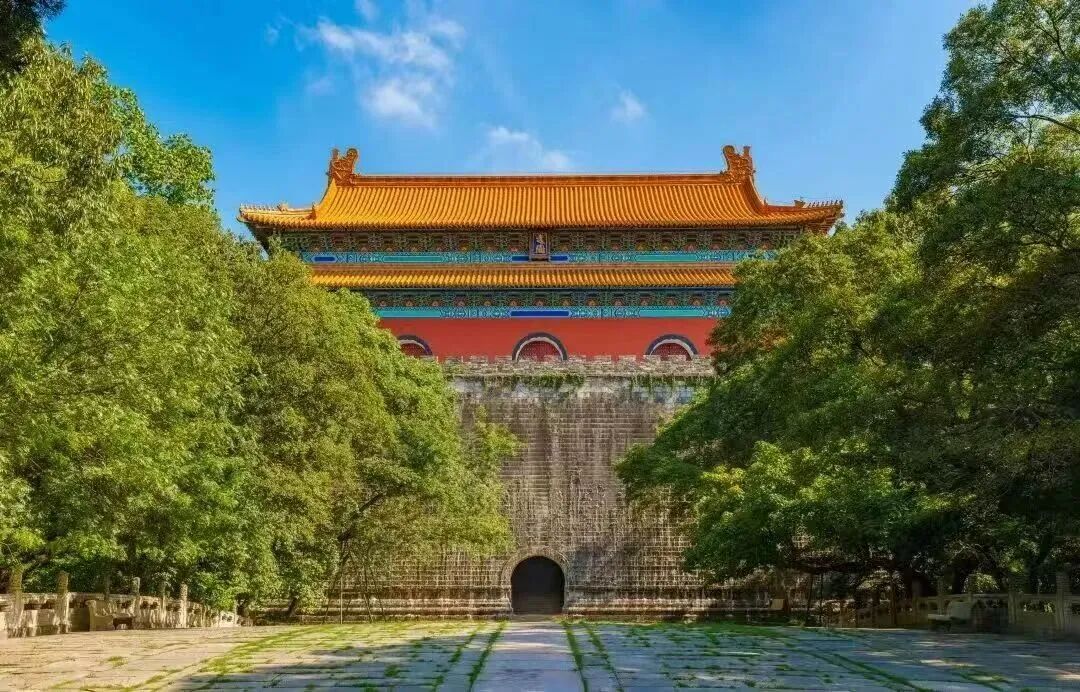
Located on Dulongfu Hill at the southern foot of Zhongshan Mountain, the Ming Xiaoling Mausoleum is the burial site of Zhu Yuanzhang, the founding emperor of the Ming Dynasty (1368-1644), and Empress Ma. Construction began in 1376, the ninth year of the Hongwu reign, and continued for more than 30 years until the completion of the Shengong Shengde (Divine Merit and Sacred Virtue) Stele in 1413. From the Xiamafang at the entrance to the Baocheng enclosing the underground palace, the mausoleum extends for about 3,000 meters. Along this route are more than 30 buildings and stone sculptures of varying styles, scales, and functions, forming a vast and richly layered cultural landscape of imperial tomb architecture.
The mausoleum preserves an extraordinary collection of Ming Dynasty architecture and stone carvings, including the Xiamafang Archway, Great Golden Gate, Shengong Shengde Stele and its pavilion, the outer imperial moat, the avenue of stone animals, stone columns, the Lingxing Gate foundations, the inner imperial moat and Golden Water Bridge, the Mausoleum Palace Gate, the foundations of the Hall of Sacrificial Offerings and the ceremonial dressing hall, the remains of the imperial kitchen and its side halls, the Spirit Tablet Furnace foundation, the Inner Red Gate, the moat and Ascension Bridge before Baocheng, the Square City, Ming Tower, Baocheng enclosure, burial mound, the ruins of the Crown Prince’s Mausoleum, and the tombs of meritorious officials. These remains preserve both the authenticity of the original Ming Dynasty structures and the integrity of the mausoleum’s spatial layout.The Ming Xiaoling Mausoleum established the model for imperial mausoleums of the Ming and Qing (1644-1911) dynasties and holds a landmark place in the history of Chinese imperial tomb architecture. It was designated a major historical and cultural site protected at the national level in 1961. In July 2003, UNESCO recognized that it met the criteria for World Heritage status and inscribed it on the World Heritage List.
Surrounding the Ming Xiaoling Mausoleum are several well-known attractions, including Meihua Mountain, Art World of the Red Mansion, Zixia Lake, Yanque Lake, and Plum Blossom Valley. Each year around the Spring Festival holiday, when plum blossoms burst into bloom, visitors flock here to enjoy one of Nanjing’s most celebrated floral spectacles.
3. Linggu Scenic Area
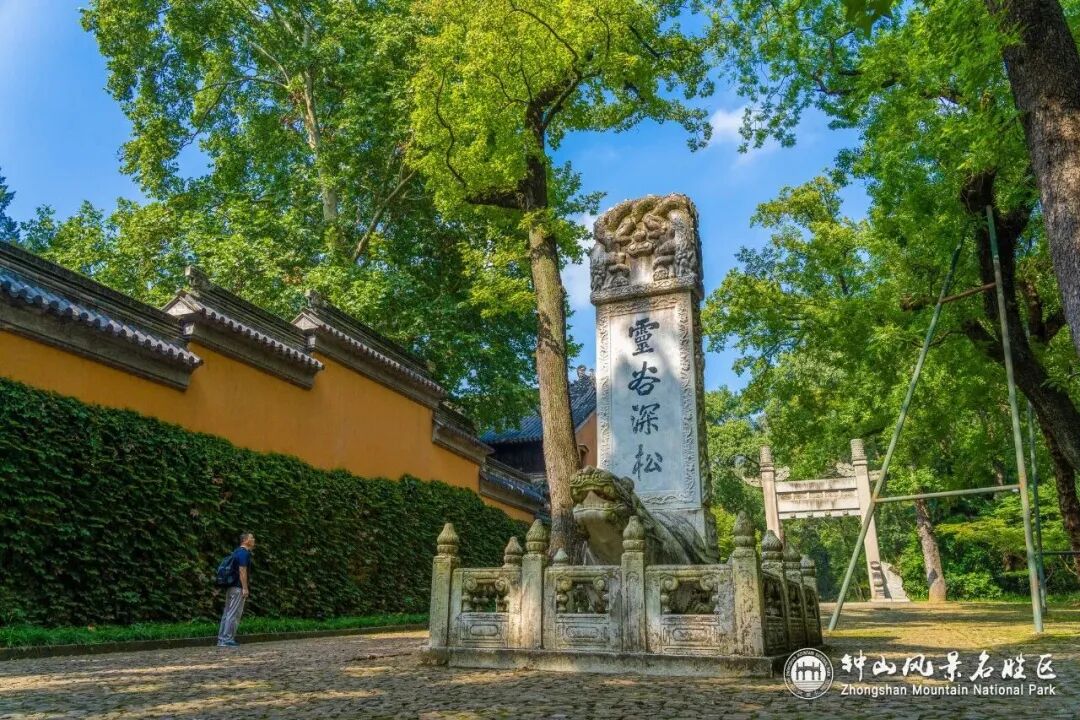
Located on the eastern slopes of Zhongshan Mountain, the Linggu Scenic Park covers more than 2,000 mu (about 133 hectares) and is home to numerous historic sites dating back to the Six Dynasties period (222-589). Among its notable attractions are the Eight Virtues Well, the Winding Stream (where scholars floated wine cups during literary gatherings), and the ruins of Mingqing Temple. The ancient Kaishan Temple was originally founded in 515, during the 14th year of the Tianjian reign of the Liang Dynasty. When Emperor Zhu Yuanzhang built the Ming Xiaoling Mausoleum, the temple was relocated to its present site and renamed Linggu Temple. Celebrated as “the finest Zen monastery under Heaven,” it was once renowned for its towering pine forests and winding, secluded paths. The scenery, known as “Deep Pines of Linggu,” was one of the “48 Scenic Views of Jinling (Nanjing).” During the Republican period, the temple grounds were transformed into the Memorial Cemetery of KIAs of the National Revolutionary Army. Following the founding of the People’s Republic of China in 1949, the cemetery was renamed Linggu Park.
Today, Linggu Park is home to three major historical and cultural sites protected at the national level: the Memorial Cemetery of KIAs of the National Revolutionary Army, the Tomb of Tan Yankai, and the Tomb of Deng Yanda. Other notable attractions include the Baozhi Pagoda (and its famous Three Wonders Stele), which commemorates the eminent Liang Dynasty monk Baozhi; the Beamless Hall, China’s largest surviving beamless brick hall from the Ming Dynasty; and Linggu Temple, rebuilt during the Qing Dynasty.The park also boasts an expansive osmanthus garden covering nearly 1,700 mu (about 113 hectares) and home to more than 18,000 osmanthus trees. In late autumn, fiery red foliage and the fragrance of blooming osmanthus transform the park into one of Nanjing’s most enchanting destinations for sightseeing and seasonal appreciation.
4. Open-Air Music Hall
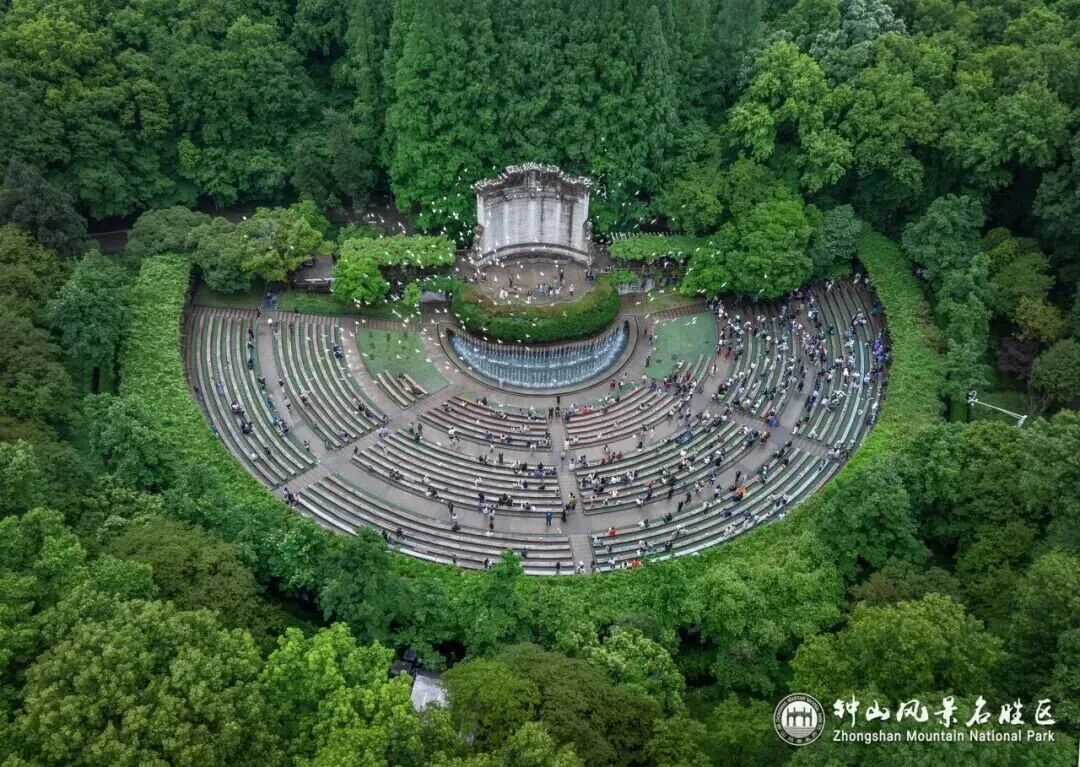
The Open-Air Music Hall is located southeast of the Sun Yat-sen Mausoleum Square and covers an area of approximately 4,200 square meters. Designed by renowned architects Guan Songsheng and Yang Tingbao, it was completed in 1933.
It features a semicircular plan with the stage positioned at its center. Behind the stage stands a large curved sound-reflecting screen designed to project and amplify sound naturally. The top of the screen is decorated with carved coiling dragon motifs. In front of the stage are three tiers of gently undulating steps leading down to a crescent-shaped pond. Beyond the pond, the natural slope has been shaped into a semicircular bowl-shaped lawn with a radius of 50 meters, divided by radial pathways and a semicircular walkway into 12 fan-shaped sections. Blending harmoniously with its surrounding landscape, the Open-Air Music Hall is one of the Sun Yat-sen Mausoleum’s most distinctive commemorative structures.
Since 2015, the Nanjing Forest Music Festival has been hosted at the Open-Air Music Hall. The fan-shaped lawn can accommodate more than 3,000 spectators. In 2017, the Open-Air Music Hall was included in the list of China’s 20th-Century Architectural Heritage, and in December 2024, it was added to the updated China Tentative List for UNESCO World Heritage as part of the property “Pioneering Works of Modern Chinese Architecture (Sun Yat-sen Mausoleum and Its Auxiliary Structures).”
5. Meiling Palace
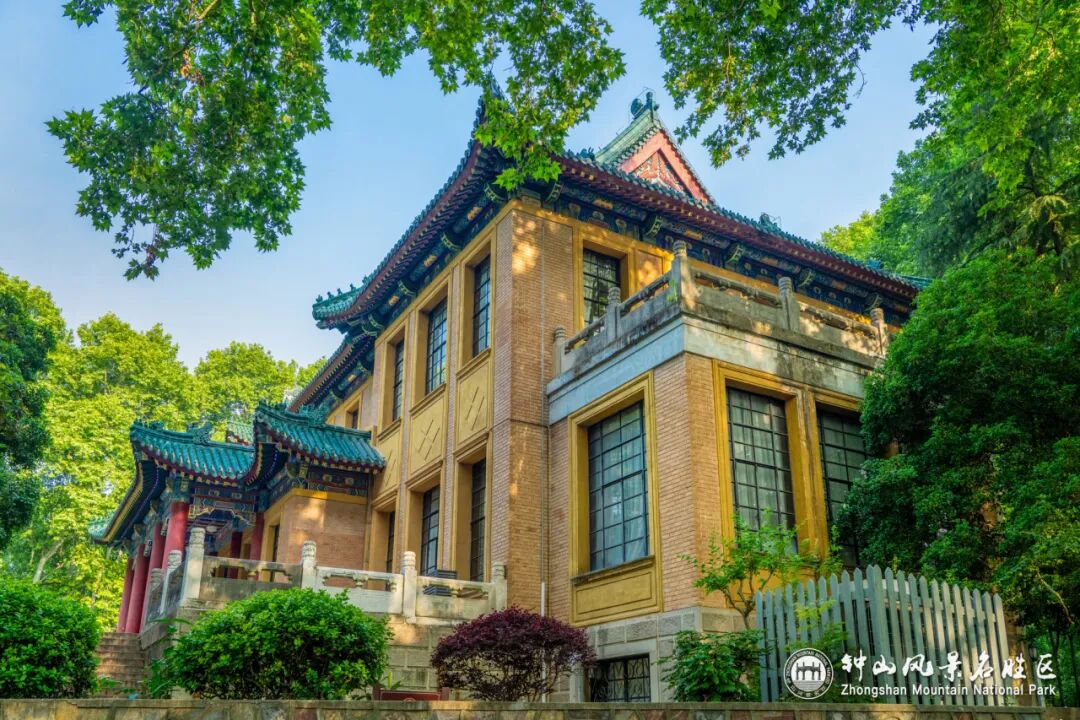
Meiling Palace is situated atop Xiaohongshan Hill, about 200 meters east of the Square City (Sifangcheng) of the Ming Xiaoling Mausoleum. Officially known as the Former Residence of the Chairman of the Nationalist Government, it was completed in 1934. The estate originally covered 120 mu (about 8 hectares), with the main building occupying more than 2,000 square meters, complemented by a gatehouse, guards’ quarters, landscaped gardens, and a circular driveway.
In 1991, Meiling Palace was recognized as one of China’s outstanding modern-era buildings. In 2001, it was designated a major historical and cultural site protected at the national level. In December 2012, the Administration of Sun Yat-sen Mausoleum launched the first comprehensive restoration project in the building’s history. Completed in 2015, the project was recognized as one of China’s Top 10 Cultural Heritage Conservation Projects.
III. Museums and Cultural Institutions
1.Sun Yat-sen Memorial Hall
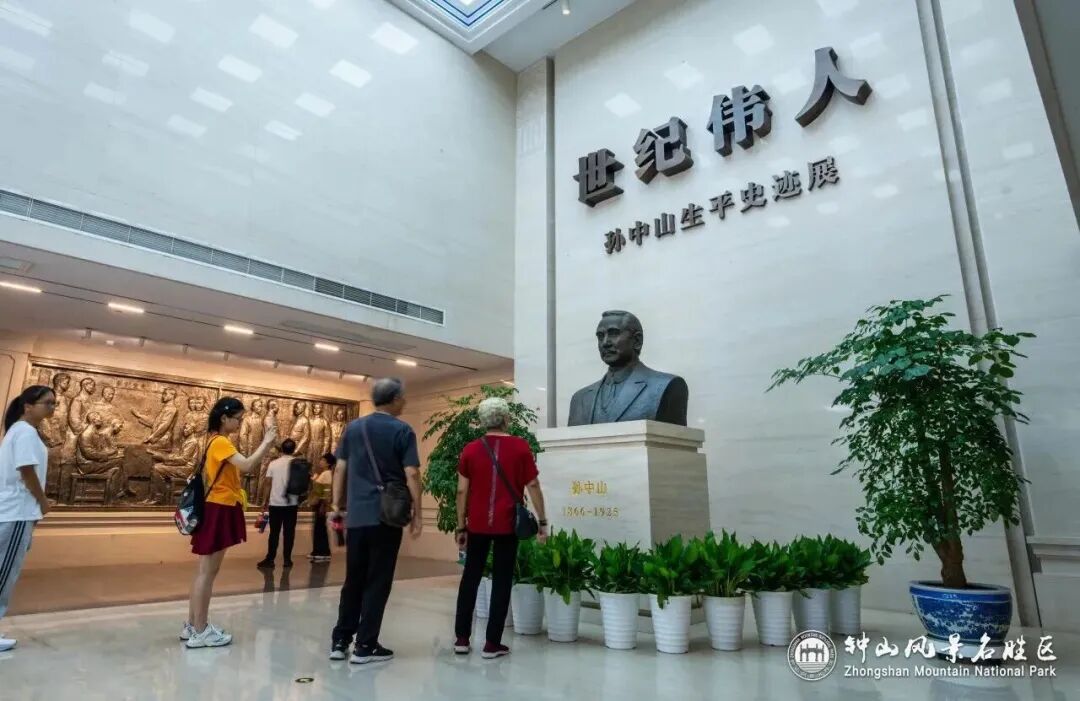
Located to the east of the Boai Archway at the Sun Yat-sen Mausoleum, the memorial hall is a national second-class museum. Dedicated to the research, interpretation, and presentation of Dr. Sun Yat-sen’s life, revolutionary ideals, and enduring legacy, it serves as the principal venue for patriotic education and cross-Strait cultural exchange within the Sun Yat-sen Mausoleum Scenic Area. The museum also undertakes historical research, the collection and preservation of cultural relics, exhibitions, public education, and international exchange, making it the area’s primary center for promoting Dr. Sun’s philosophy, fostering patriotism, and preserving his cultural legacy.
2. Museum of the Ming Xiaoling Mausoleum
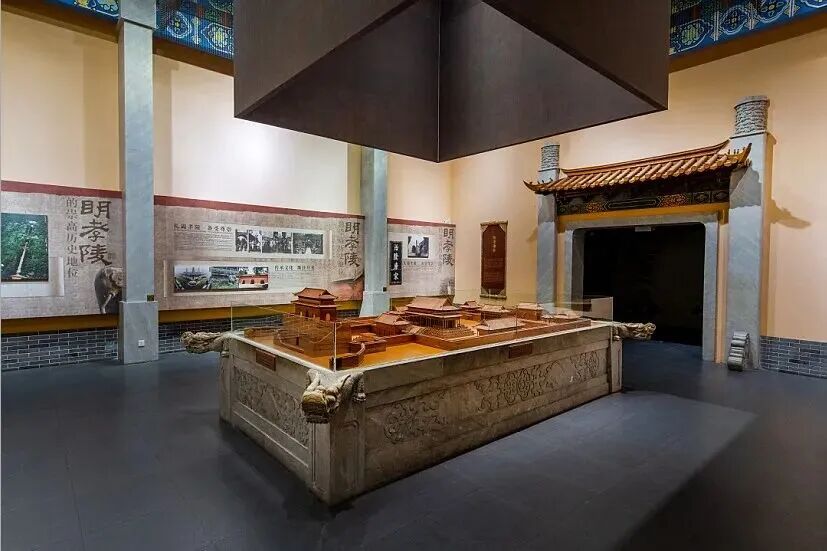
Located on the eastern side of the Ming Xiaoling Mausoleum, the museum is an archaeological site museum established on the basis of archaeological investigation, excavation, research, and interpretation of the mausoleum site. The museum officially opened in 2003, following the inscription of the Xiaoling Tomb on the UNESCO World Heritage List, and is now a national second-class museum. Its permanent exhibitions highlight the profound historical and cultural significance of the mausoleum while showcasing the outstanding universal value of this World Heritage Site.
3. Sun Quan Memorial
Situated at the eastern foot of Meihua Mountain, the memorial presents the history of the Eastern Wu Kingdom through photographs, multimedia displays, and reconstructed historical scenes. Its exhibitions explore the foundational role of Eastern Wu in shaping Nanjing’s rich cultural heritage, tracing the historical connections between Emperor Sun Quan, the Three Kingdoms period, Nanjing, and Zhongshan Mountain.
4. Zhongshan Literature Museum
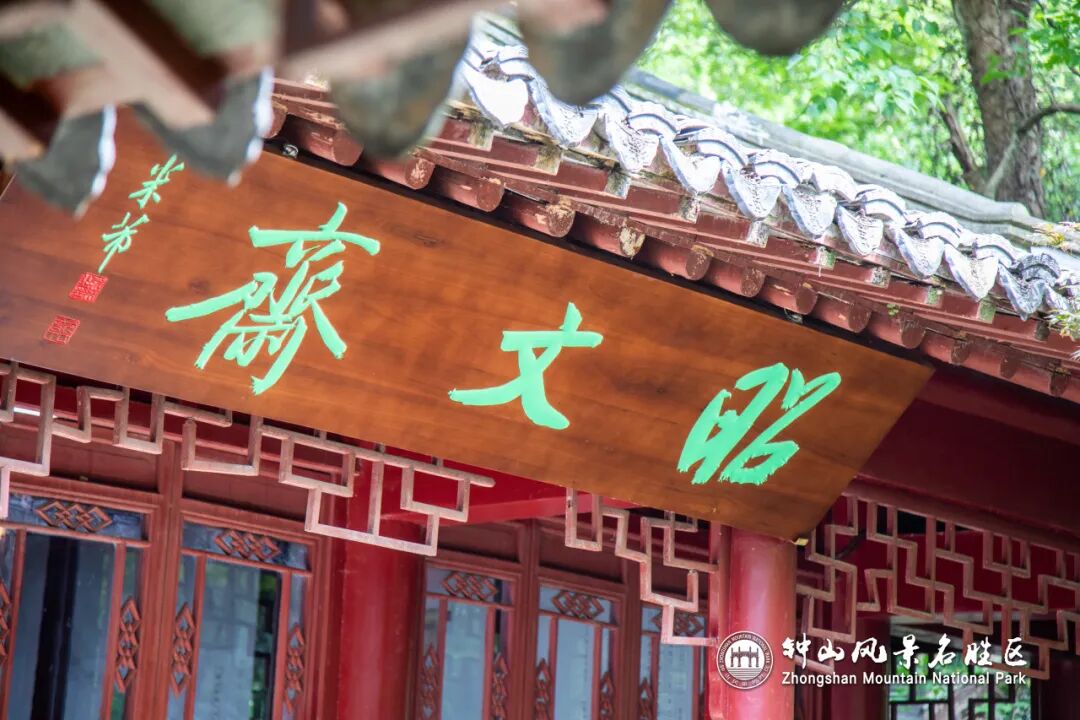
Located to the east of the Ming Dongling Mausoleum in the Ming Xiaoling Mausoleum Scenic Area, the Zhongshan Literature Museum occupies the former Dinglin Villa. The museum is housed in a traditional three-courtyard garden complex enclosed by covered corridors, originally built in honor of the renowned Northern Song Dynasty (960-1126) statesman and writer Wang Anshi.Inside the museum’s north gate are a brick relief depicting “The Literary Mind and the Carving of Dragons” and a bronze bust of its author, Liu Xie. Above the south gate hangs a stone plaque engraved with the characters “Dinglin,” written in the calligraphy of the Southern Song (1127-1279) poet Lu You.The museum’s exhibitions systematically present the life of Zhu Biao, the Crown Prince Yiwen of the Ming Dynasty, and the archaeological discoveries of the Ming Dongling Mausoleum. They also feature more than 70 poems inspired by Zhongshan Mountain by Wang Anshi, offering a comprehensive introduction to Zhongshan’s rich literary heritage through its poetry, historical sites, “The Literary Mind and the Carving of Dragons,” and Wang Anshi’s life and works.
5. Purple Mountain Forest Science Museum
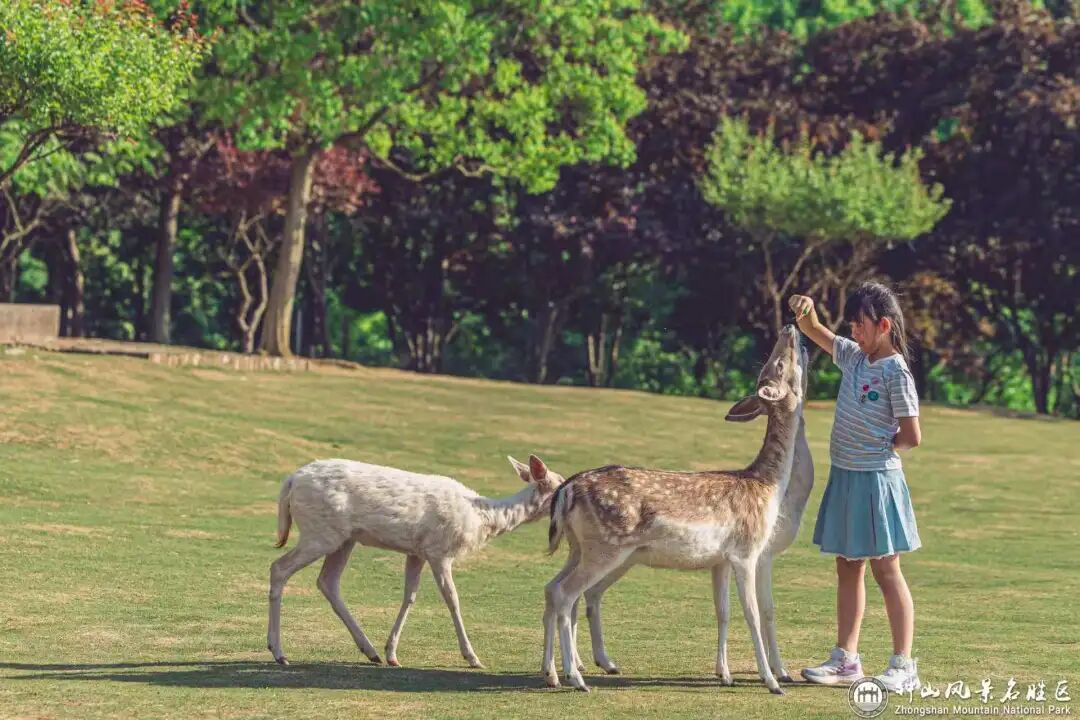
The Purple Mountain Forest Science Museum is located in Plum Blossom (Meihua) Valley within the Ming Xiaoling Mausoleum Scenic Area. As Nanjing's first forest-themed science education center, it features five themed exhibition galleries showcasing the rich biodiversity of Purple Mountain through specimen displays, interactive multimedia, and immersive educational exhibits.
6. Anti-Japanese Aviation Martyrs Memorial Hall of Nanjing
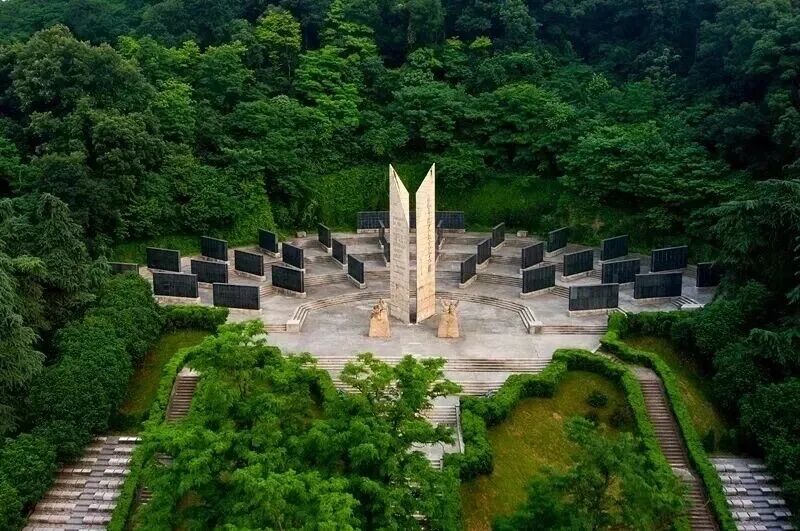
Located on the northern foothills of Zhongshan Mountain, the memorial hall covers nearly 60 mu (about 4 hectares) and consists of the Aviation Martyrs Cemetery and an exhibition hall. Through historical research and exhibitions, it commemorates the joint efforts of Chinese, Soviet, American, and other Allied airmen who fought against the Japanese aggression of China during the Second World War.The cemetery was designated a Jiangsu Provincial Protected Cultural Relic Unit in 2002. In 2014, the memorial hall was included in the first national list of memorial facilities and sites of the Chinese People’s War of Resistance Against Japanese Aggression, and in 2024 it was designated a national second-class museum.
The Aviation Martyrs Cemetery, established in 1932, includes a memorial archway, side halls, a stele pavilion, and a sacrificial hall. On September 3, 1995, marking the 50th anniversary of victory in the Chinese People’s War of Resistance Against Japanese Aggression, the Memorial Monument to the Anti-Japanese Aviation Martyrs was unveiled within the cemetery. As of September 2025, the monument bears the names of 4,313 aviation martyrs from China, the Soviet Union, the United States, and other countries.Opened to the public in 2009, the exhibition hall covers more than 2,000 square meters. Its main building is designed in the shape of an aircraft wing and, when viewed from above, resembles two fighter aircraft soaring side by side.
Through rigorous historical research, engaging exhibitions, and extensive international cooperation, the memorial hall transforms the memory of wartime sacrifice into a lasting force for promoting peace and international friendship.
7. Purple Mountain Observatory Museum in Nanjing
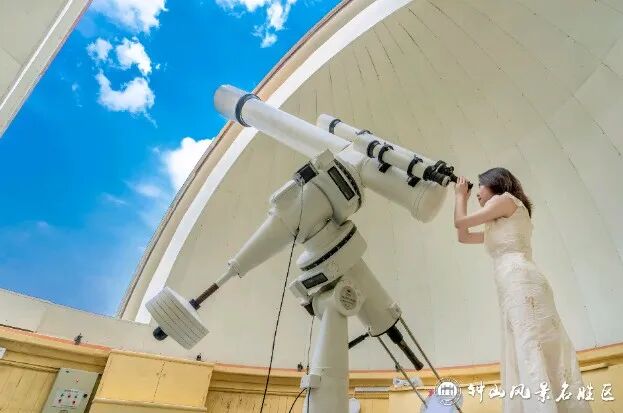
Located on the third peak of Purple Mountain within the Zhongshan Mountain National Park, the museum preserves one of China’s most important sites for astronomical research, observation, and public science education, and is home to numerous significant astronomical heritage resources.Established in 1934, the Purple Mountain Observatory was China’s first modern astronomical research institution established by Chinese scientists. Widely regarded as the “Cradle of Modern Chinese Astronomy,” it chronicles the development of modern astronomy in China while embodying the enduring spirit of scientific inquiry. The observatory is designated a major historical and cultural site protected at the national level, a national science and technology tourism base, and was included among the first batch of China’s 20th-Century Architectural Heritage.The museum’s Ancient Astronomical Instruments Exhibition Area is its centerpiece, displaying five ancient astronomical instruments that represent the finest achievements of traditional Chinese astronomy. The nearby Tianbao Fortress within the observatory grounds also offers one of the finest panoramic views of the city of Nanjing.
主办单位:中山陵园管理局 支持单位:南京市城市数字治理中心
苏ICP备05004952号-7 苏公网安备32010002010065号
您是本站第 显示网站总访问量 位访客
本站中文域名:中山陵园管理局.公益
本站英文域名:zschina.nanjing.gov.cn


