
欢迎访问南京市中山陵园管理局网站
盛夏未尽,初秋登场。此刻灵谷景区的万顷松涛更显清朗,林间悄然酝酿着秋的气息。“左群山右峻岭,北倚天之叠嶂,复穹岑以排空,诸峦布势,若堆螺髻于天边”,这样的地理位置赋予了灵谷景区超凡脱俗的气质。
Summer still lingers, yet autumn is quietly stepping onto the stage. At this moment, the vast sea of pines in Linggu Scenic Area stands clearer and brighter, the forest already steeping in the fragrance of autumn. As ancient records describe: “Mountains rise to the left, steep ridges to the right; to the north, peaks stack one upon another, lofty heights pressing into the sky, their shapes like jeweled hairpins piled against the horizon.” Such a landscape lends Linggu a serenity and otherworldly grace.
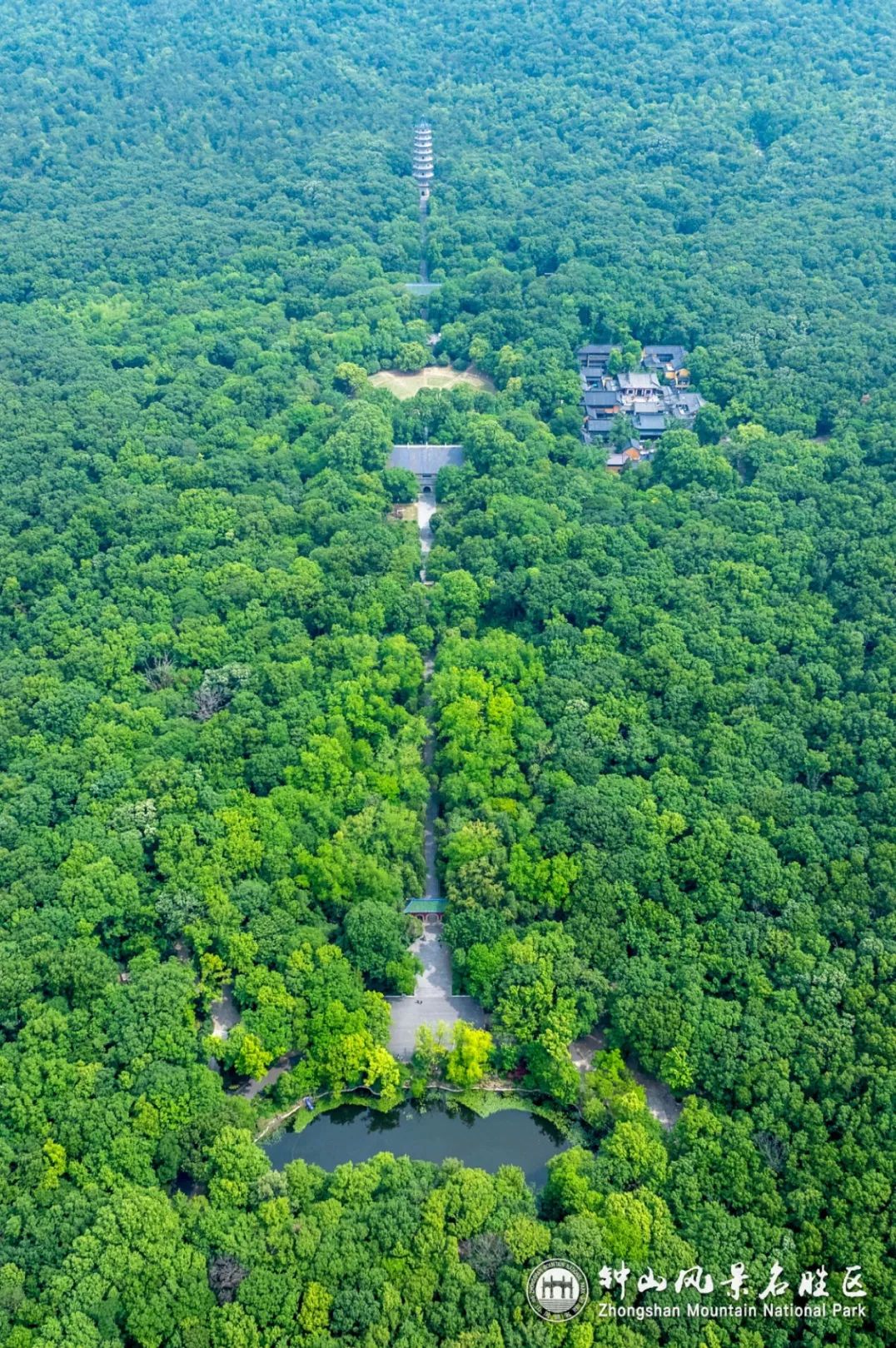
灵谷景区位于中山陵东面约1公里处,内有六朝古刹开善寺(今灵谷寺)、梁代名僧宝志的墓塔、明代的万工池、中国现存规模最大的无梁殿、经典建筑灵谷塔等名胜古迹,以及谭延闿、邓演达等名人墓葬,是钟山风景区的三大景区之一。
Located about one kilometer east of the Sun Yat-sen Mausoleum, Linggu Scenic Area is home to historic treasures such as the Six Dynasties-era (222-589) Kaishan Temple (today’s Linggu Temple), the tomb pagoda of the eminent monk Baozhi from the Liang Dynasty (502-557), the Ming-era (1368-1644) Wangong Pond, the largest existing Beamless Hall in China, and the iconic Linggu Pagoda. Here you’ll also find the tombs of notable figures like Tan Yankai and Deng Yanda. Linggu is one of the three major scenic areas of Zhongshan Mountain.
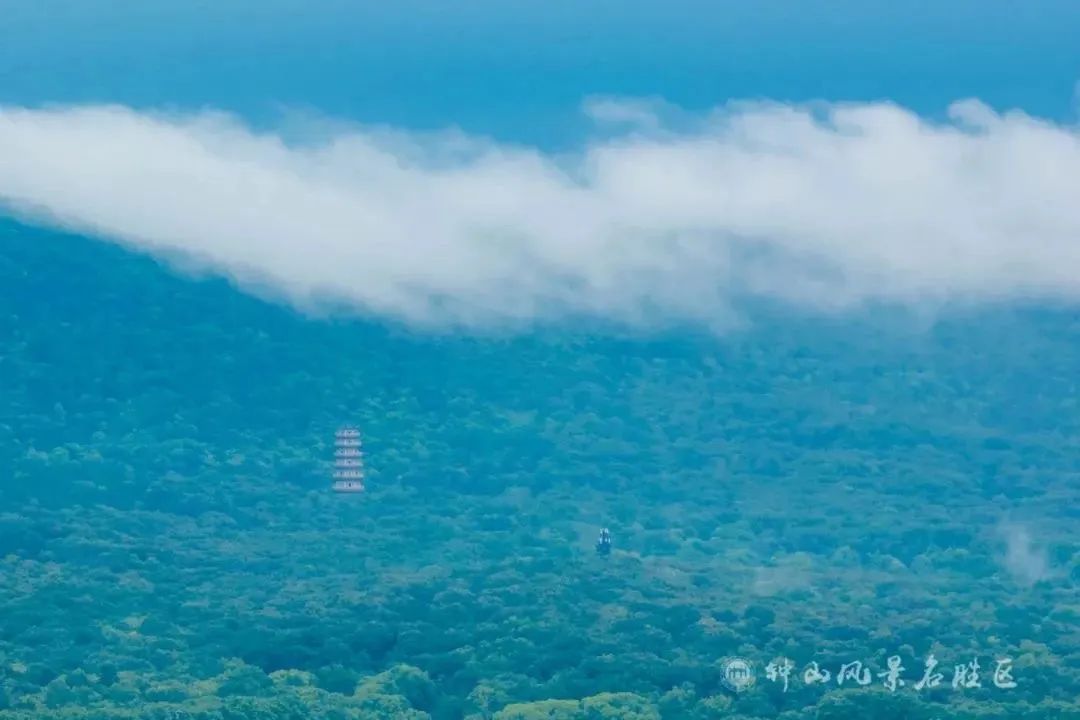
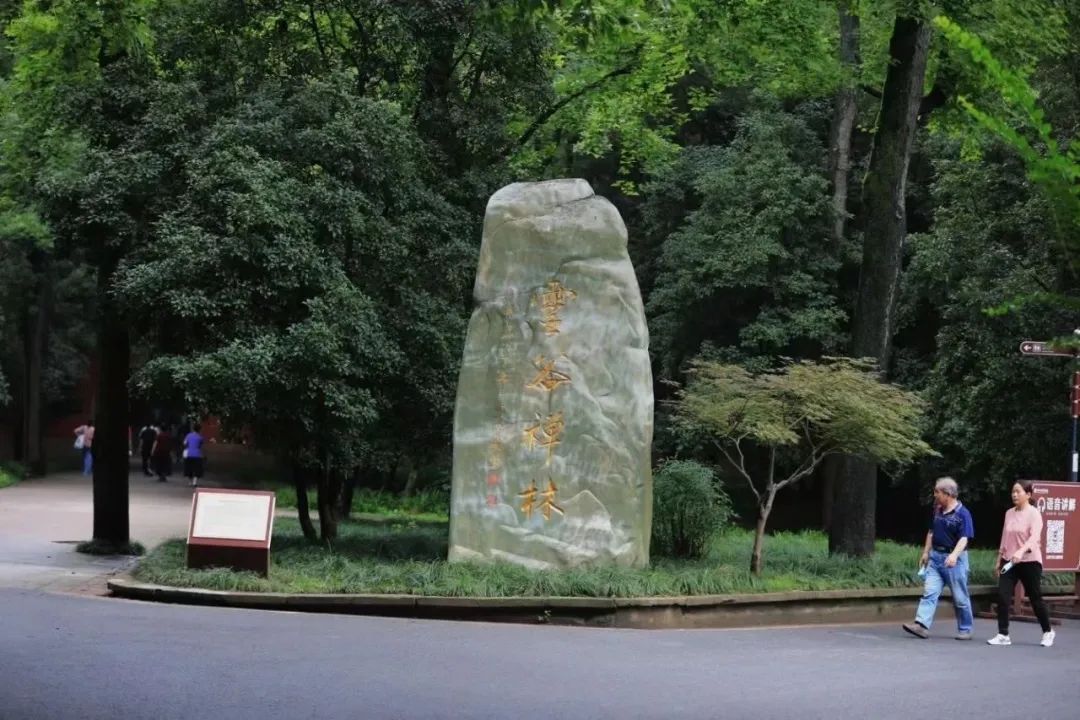
灵谷景区因灵谷寺而得名,灵谷寺原名开善寺,是梁武帝萧衍为葬宝志和尚所建。北宋称太平兴国寺,明初改名蒋山寺。明洪武十四年(1381年),朱元璋在独龙阜建明孝陵,将原址上的蒋山寺整体迁建至现址,并赐名“灵谷禅寺”。新寺占地500余亩,太祖亲笔题书“第一禅林”匾额。
The site takes its name from Linggu Temple, originally called Kaishan Temple, commissioned by Xiao Yan, Emperor Wu of the Liang Dynasty, to bury monk Baozhi. In the Northern Song (960-1127), it became Taiping Xingguo Temple, and in the early Ming it was renamed Jiangshan Temple. In 1381, during the 14th year of the Hongwu reign, Emperor Zhu Yuanzhang relocated the entire temple to its present site to make way for the construction of the imperial Xiaoling Mausoleum. The new temple covers more than 500 mu (around 33.3 hectares). He bestowed upon it the name Linggu Chan Temple and personally inscribed the plaque proclaiming it the “First Monastery under Heaven.”
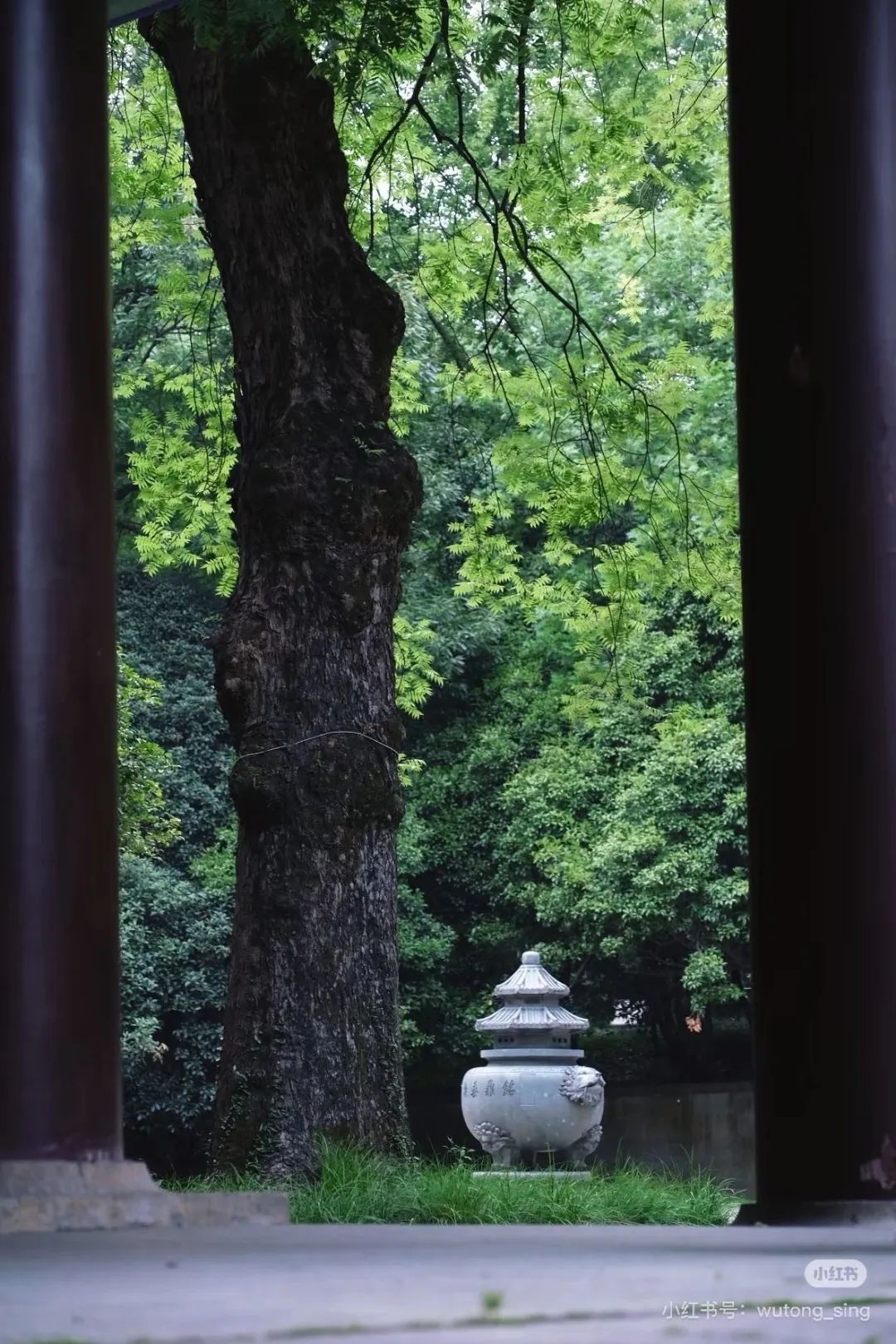
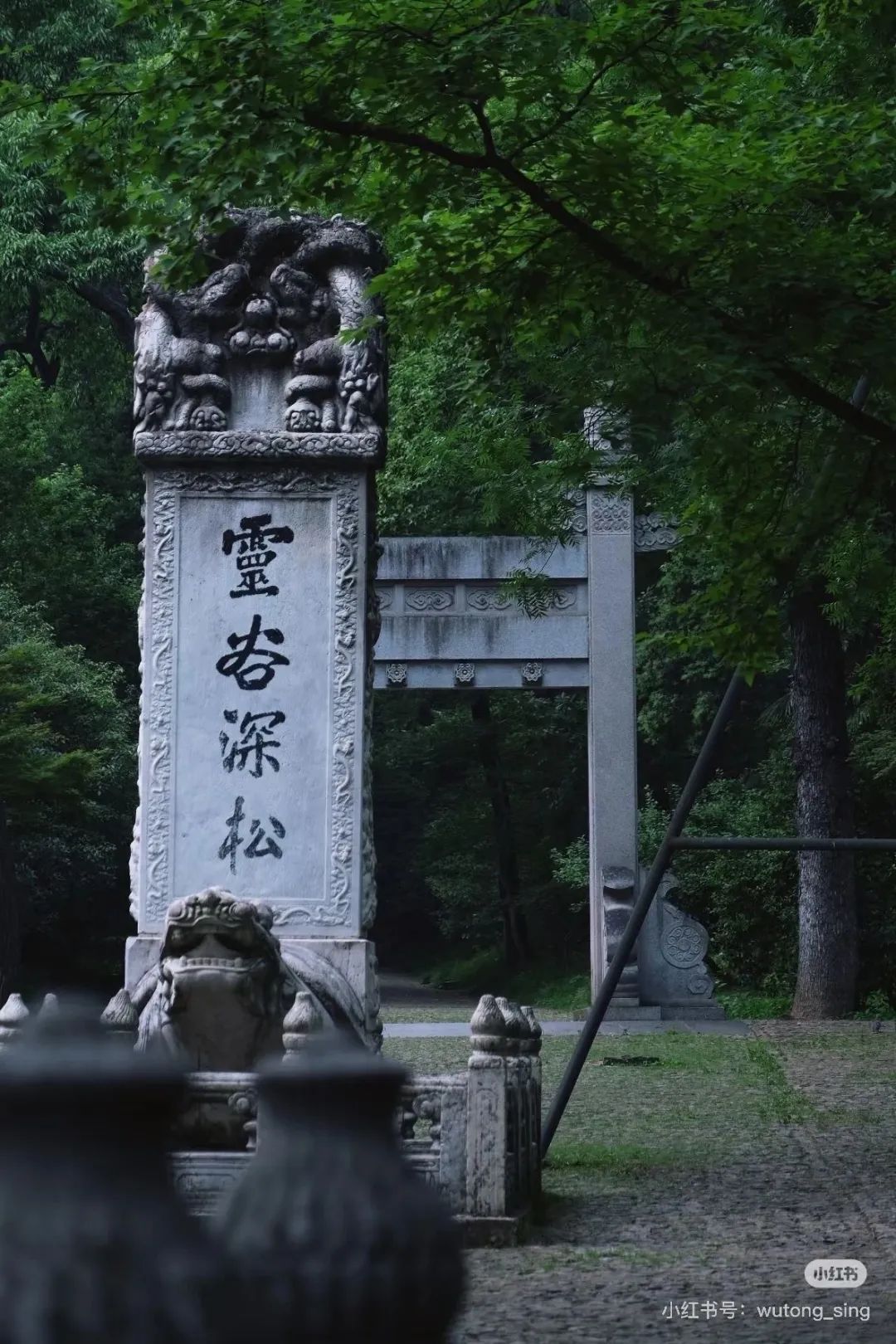
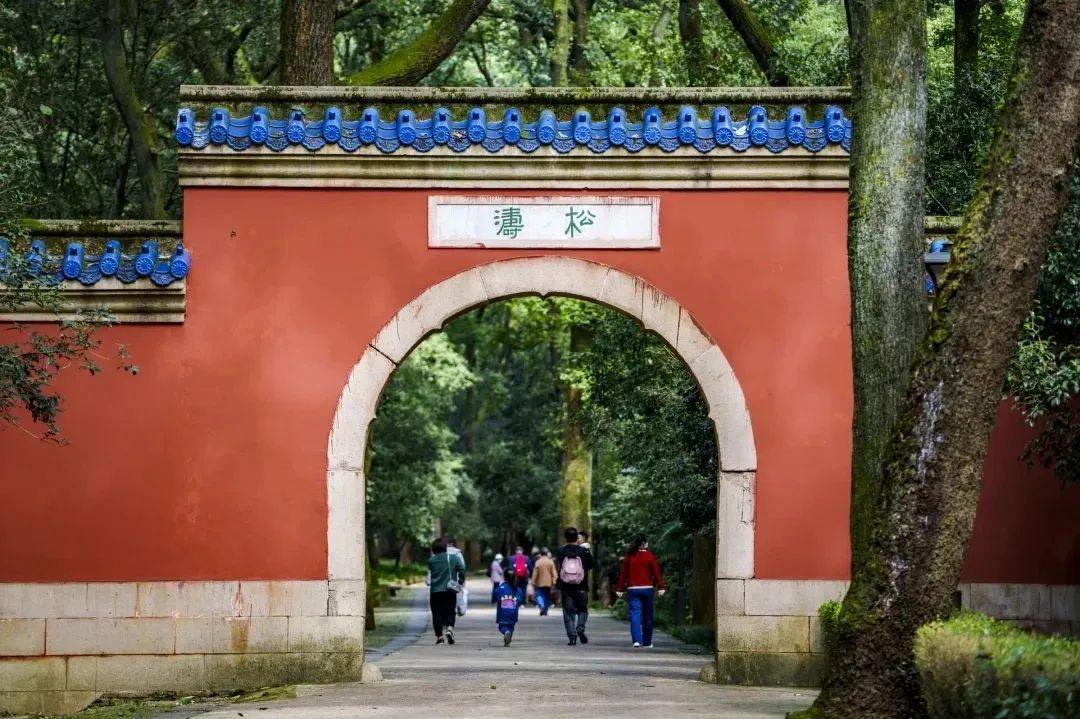
灵谷景区古木参天,绿树成荫,“窈窕入灵谷,苍茫度深松,斜阳倒影不到地,著眼一片秋烟浓。”清代诗人留下的诗句,让人们依旧能够感受到古金陵四十八景“灵谷深松”恢宏壮丽的景象。
Linggu is a place of towering ancient trees and dense green shade. As a Qing Dynasty (1644-1911) poet wrote: “Winding into Linggu, I pass through deep pines; the setting sun’s reflection never touches the ground, and the air is heavy with autumn mist.” This is the famed “Deep Pines of Linggu,” once one of Forty-Eight Scenes of Jinling, former name of Nanjing.
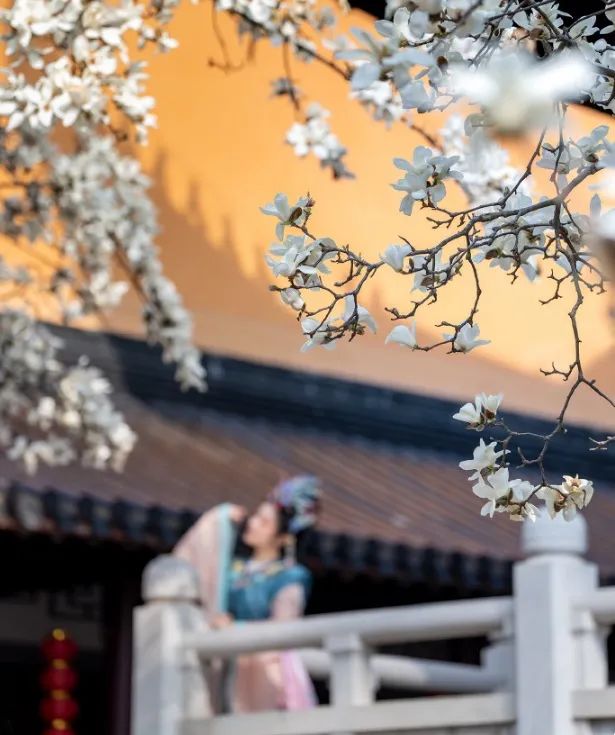
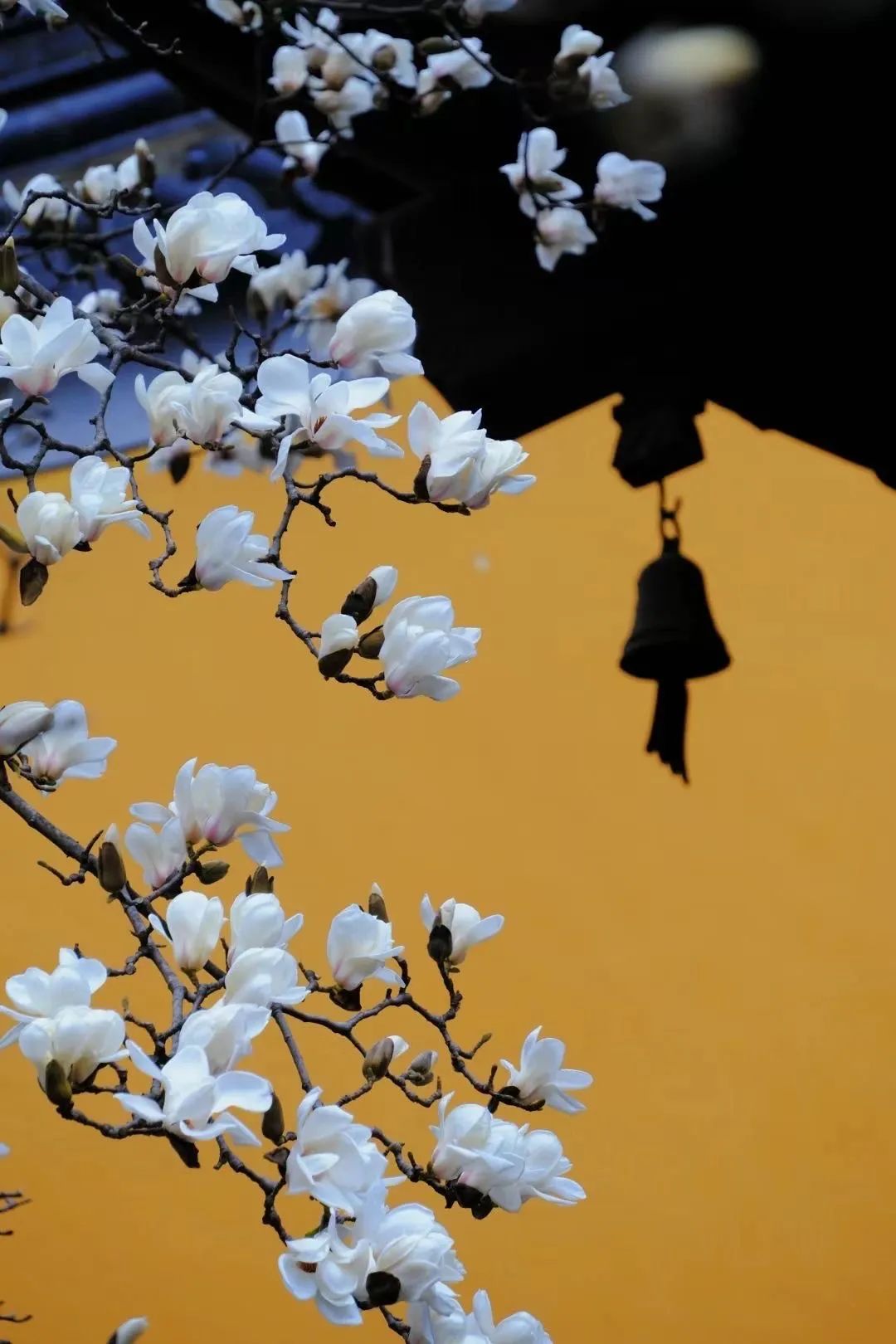
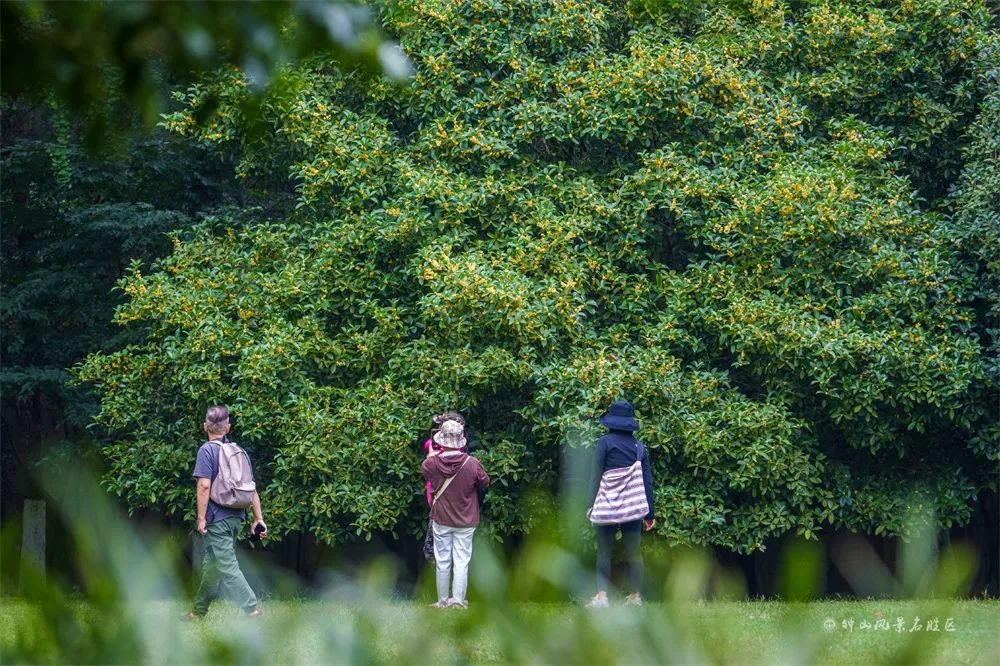
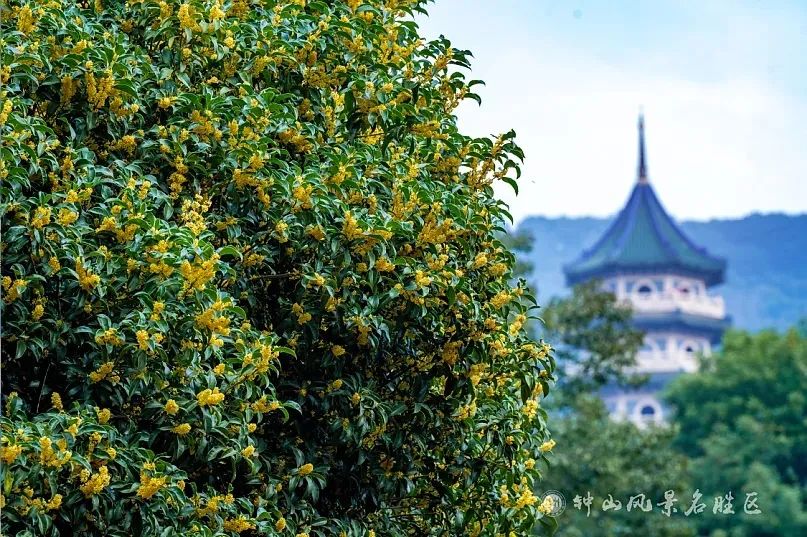
在这里,四季流转,景致各异。冬遇水墨金陵,春赏玉兰古刹,秋寻桂子飘香。每年9至10月,灵谷景区万株桂园桂花盛开,是品香、赏花、悠然游园的绝佳时机,其中树龄百年的“金陵桂花王”最为夺目,花开时,香气弥漫在整个山谷。
Here, the seasons unfold in their own rhythms—winter brings the ink-wash charm of Nanjing, spring sees magnolias bloom beside the ancient temple, autumn is perfumed with osmanthus blossoms. From September to October, tens of thousands of osmanthus trees burst into bloom, filling the valley with fragrance, the most striking being the centuries-old “King of Osmanthus” of Jinling.
一草一木,皆似有灵;一砖一瓦,都饱含故事。灵谷景区不仅风光旖旎,更承载着深厚的文化底蕴,其历史积淀与建筑艺术在此交相辉映。
Every tree seems to have a soul, and every brick holds a story. Linggu Scenic Area is not only blessed with natural beauty but also steeped in cultural heritage, where history and architecture meet in harmony.
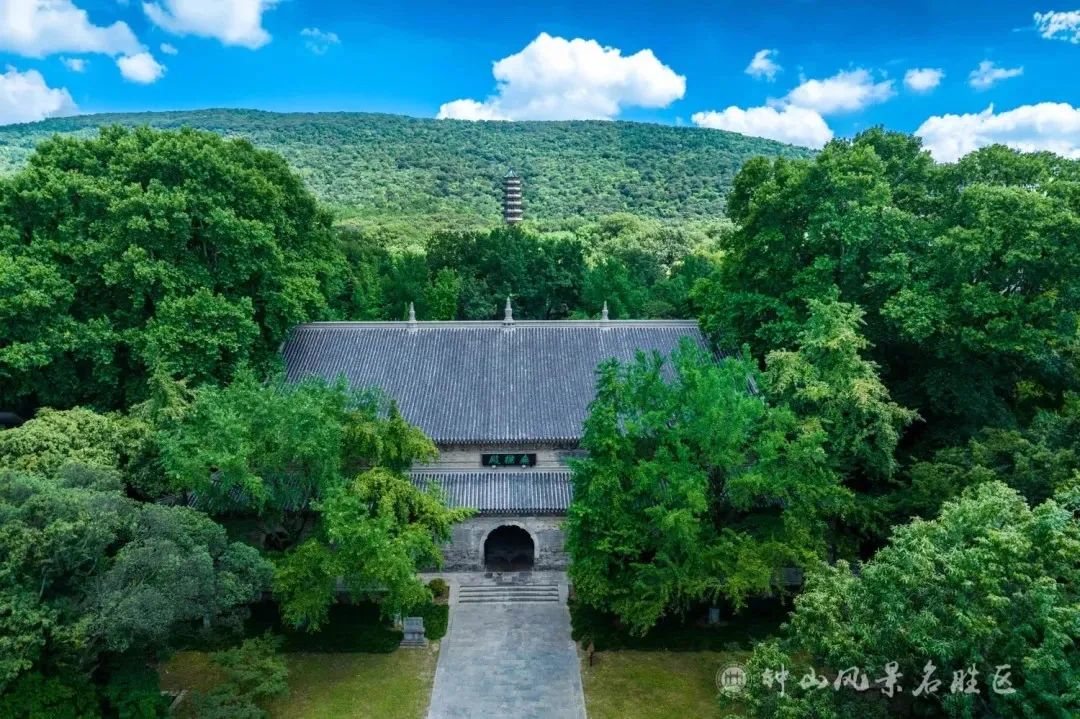
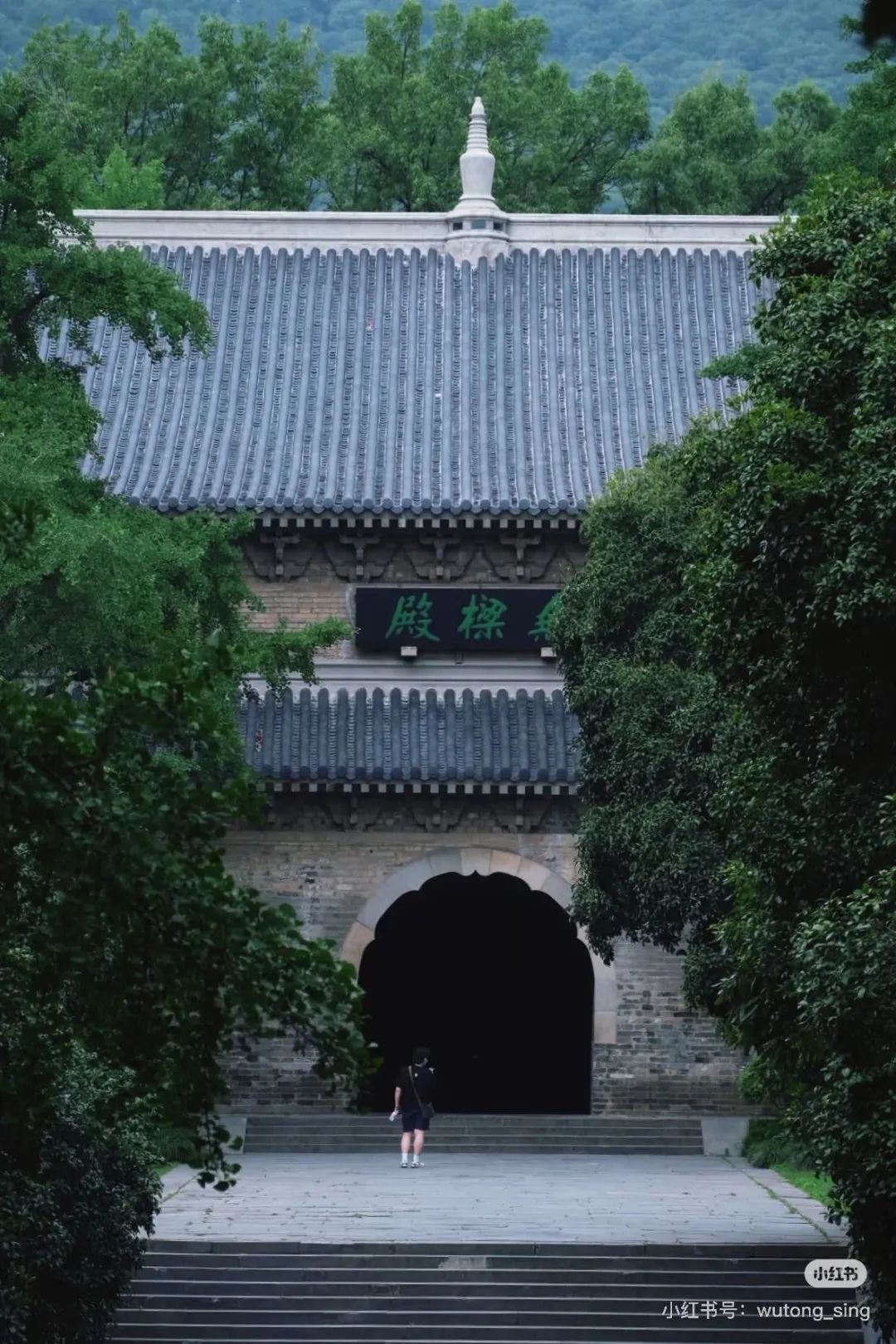
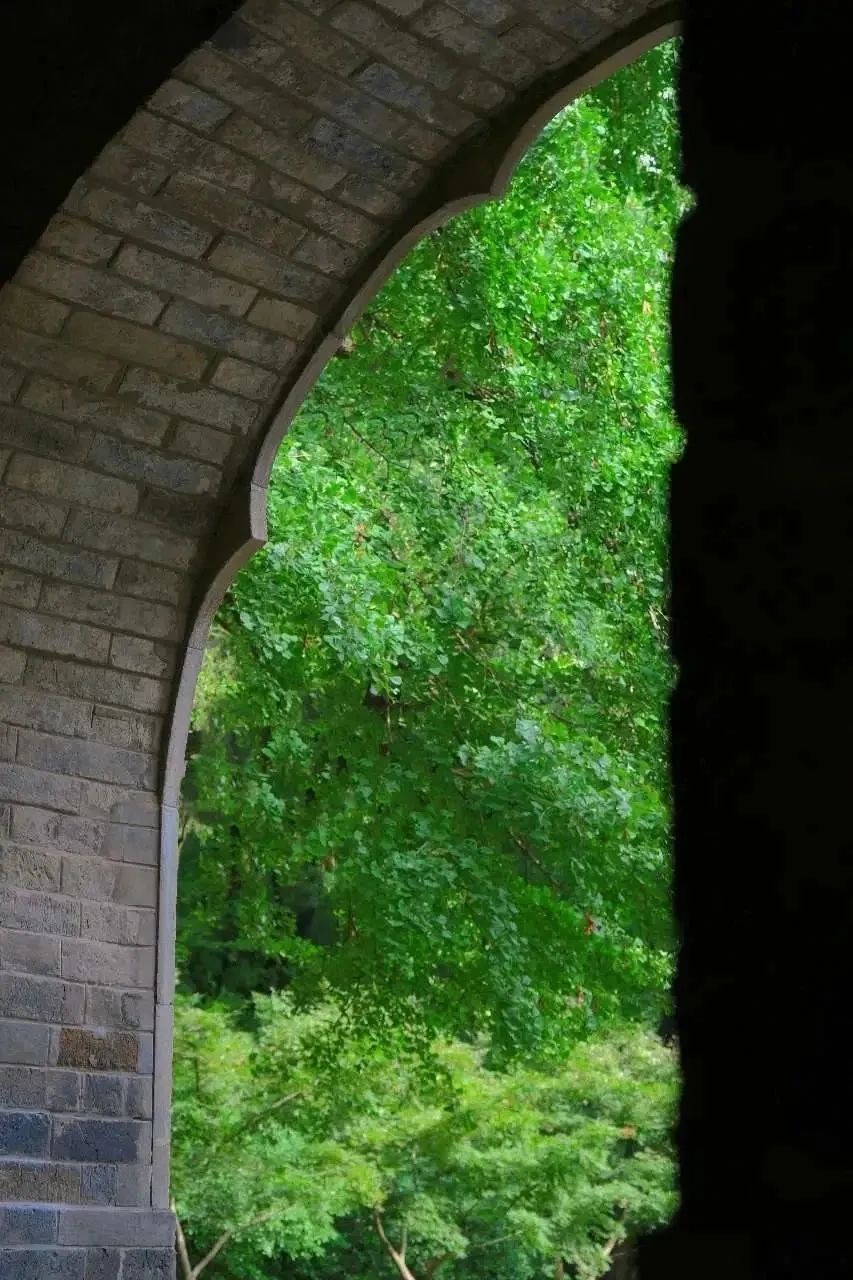
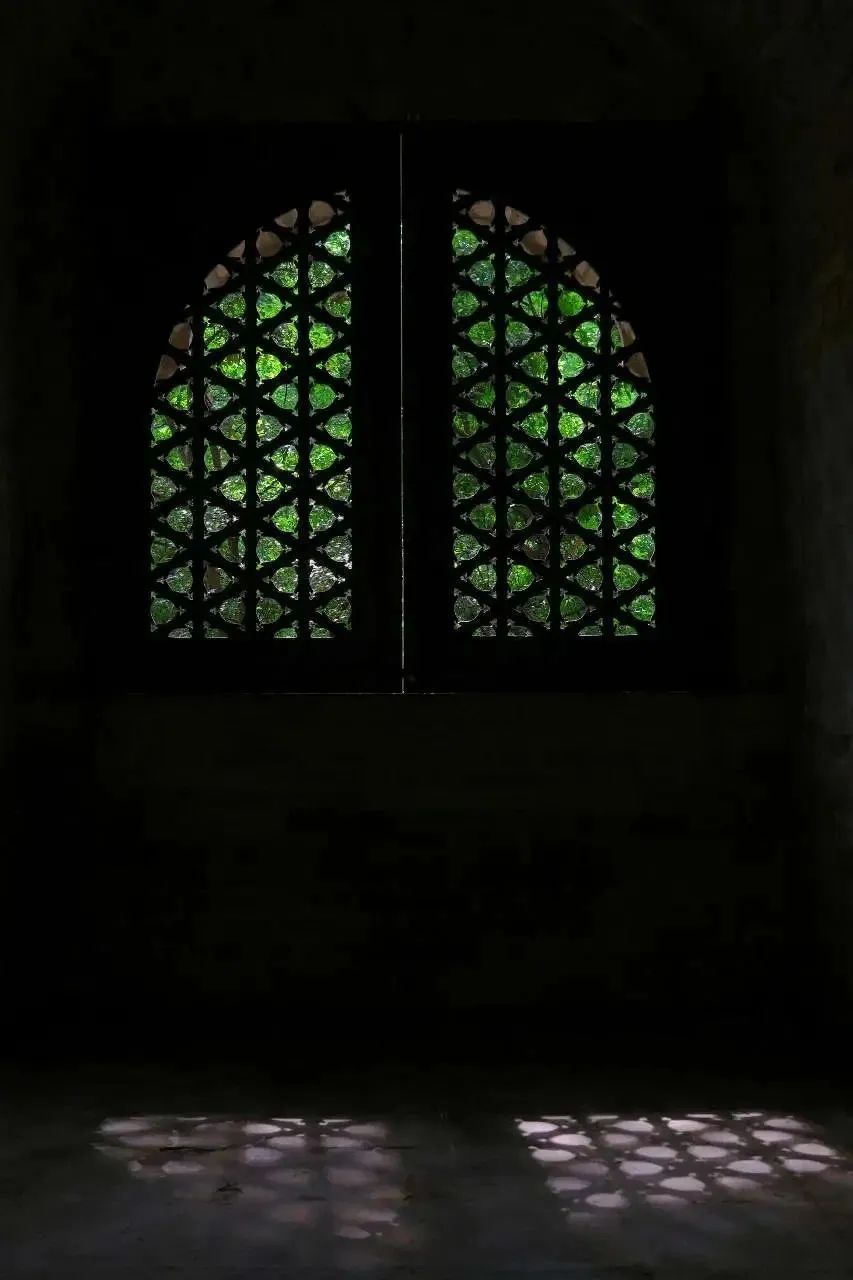
无梁殿是明代保存至今的建筑瑰宝,整个建筑不用一钉一木,不架梁柱,从殿基到屋顶全部以大砖砌筑而成,其建筑年代之久远、规模之宏大、形制之卓绝,堪称国内同类建筑之最。
The Beamless Hall, a Ming Dynasty masterpiece, is built entirely of large bricks without a single nail, wooden beam, or column—its age, scale, and craftsmanship unmatched in China.
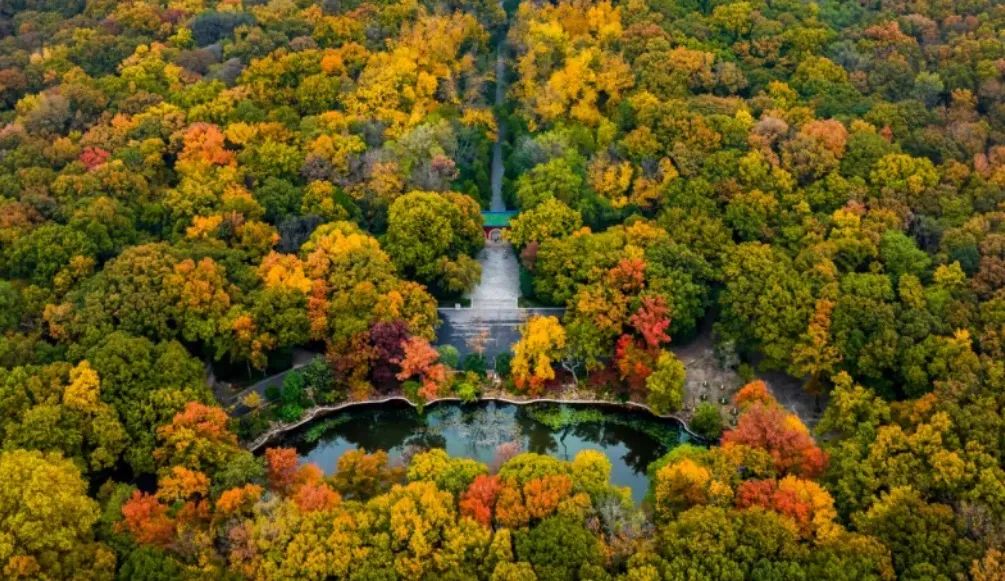
同样建于明朝时期的万工池是一个形似月牙的放生池,相传为朱元璋调用万名军工挖掘而成,青松绕岸,水色苍茫,夏日池中莲花盛开,荷叶田田,更添几分灵动。
The Ming-era Wangong Pond, said to have been dug by over ten thousand soldiers at Emperor Zhu Yuanzhang’s command, is a crescent-shaped release pond. In summer, lotus blossoms and round green leaves float across its surface, adding a lively touch to the pines and still waters.
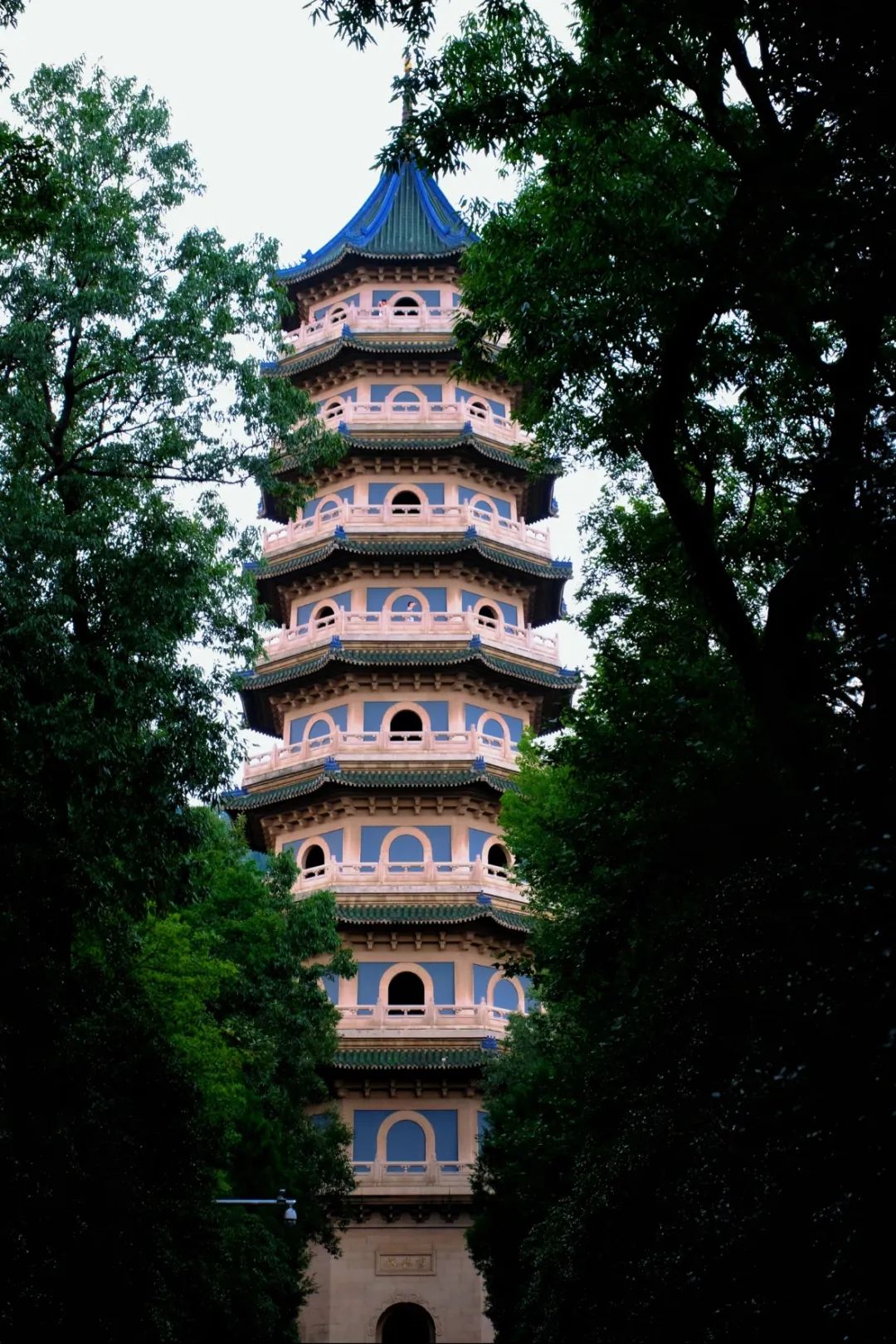
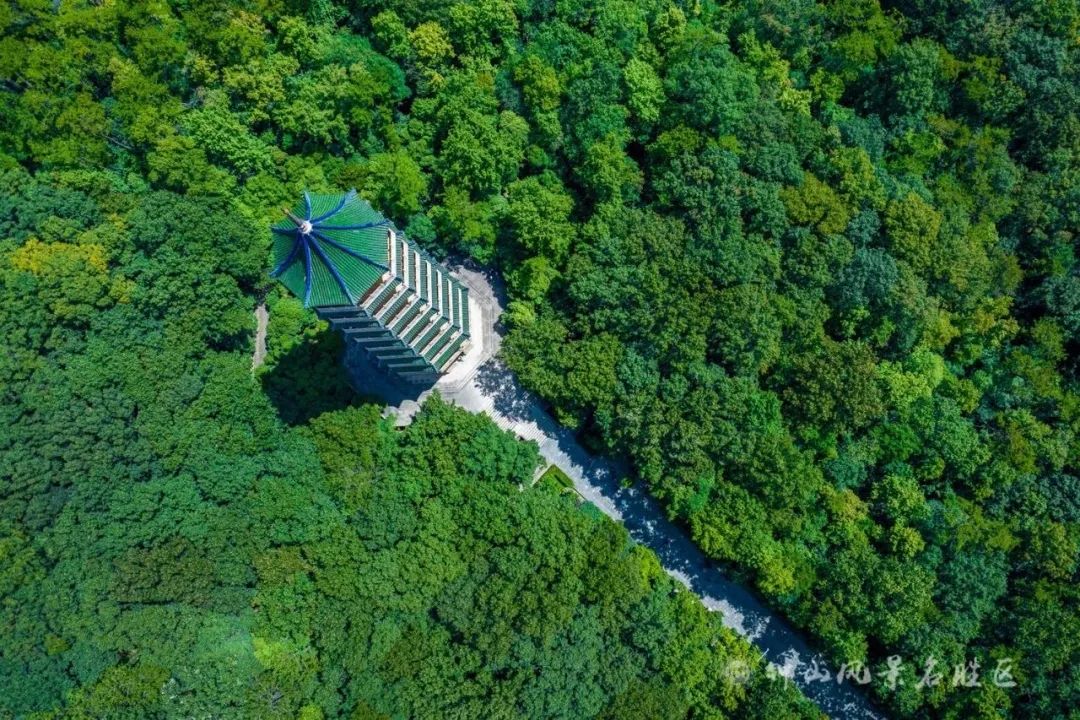
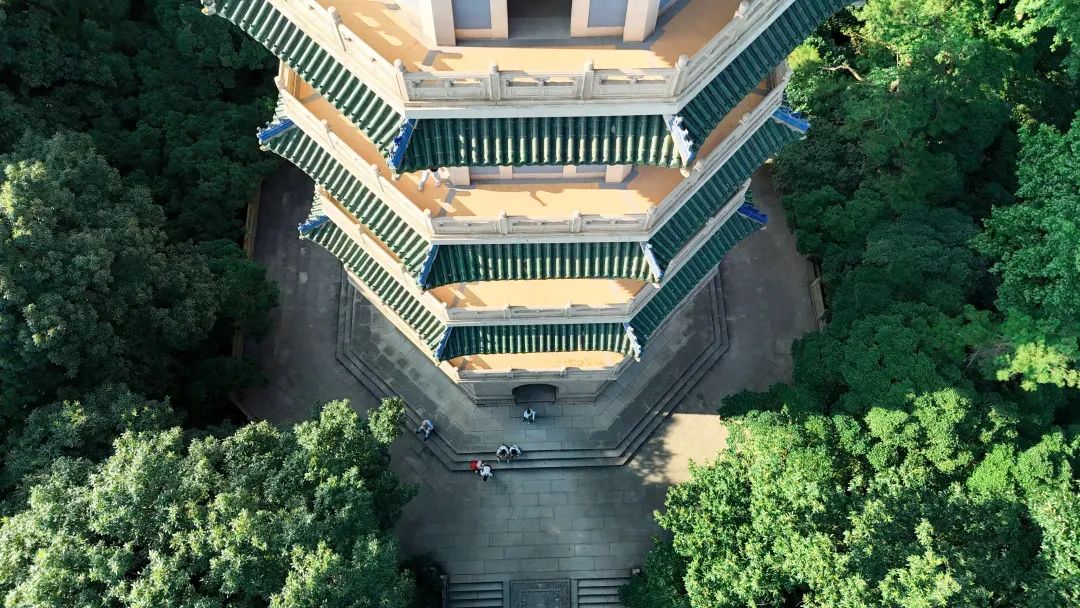
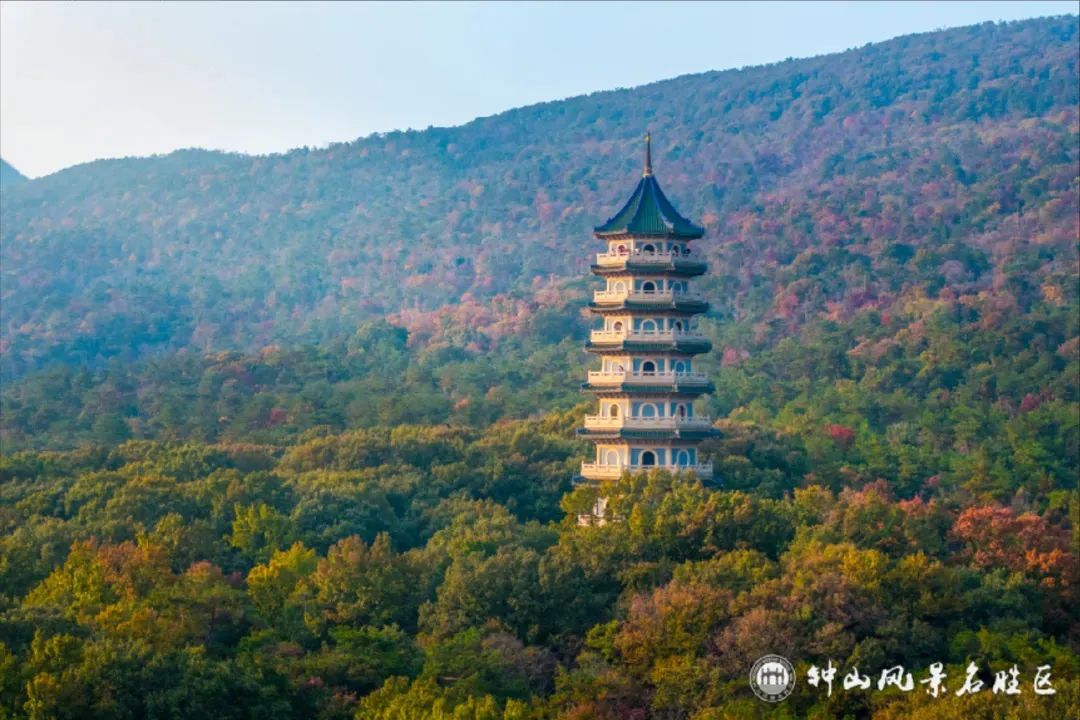
灵谷塔建于1931-1933年,由美国建筑师茂菲与中国建筑师董大酉共同设计。塔高60米,九层八面,用钢筋水泥和苏州花岗石混合构筑,坚固而雄伟。每层都以绿色琉璃瓦作披檐,塔内螺旋扶梯252级直通顶层,凭栏远眺,钟山风光尽收眼底。
The Linggu Pagoda, built between 1931 and 1933 and jointly designed by American architect Henry K. Murphy and Chinese architect Dong Dayou, rises 60 meters high with nine octagonal stories. Made of reinforced concrete and Suzhou granite, it is both solid and graceful, with green-glazed eaves on each level. A spiral staircase of 252 steps leads to the top, where the full panorama of Zhongshan Mountain unfolds beneath you.
八月,暑热散去。风里已经有了秋的微凉,如果已错过了春夏,不如在这个秋天里,见一面吧。
In August, the summer heat begins to fade, and a cool hint of autumn drifts in on the breeze. If spring and summer have already slipped away, why not make your acquaintance with Linggu in the golden days of autumn?
主办单位:中山陵园管理局 支持单位:南京市城市数字治理中心
苏ICP备05004952号-7 苏公网安备32010002010065号
您是本站第 显示网站总访问量 位访客
本站中文域名:中山陵园管理局.公益
本站英文域名:zschina.nanjing.gov.cn


